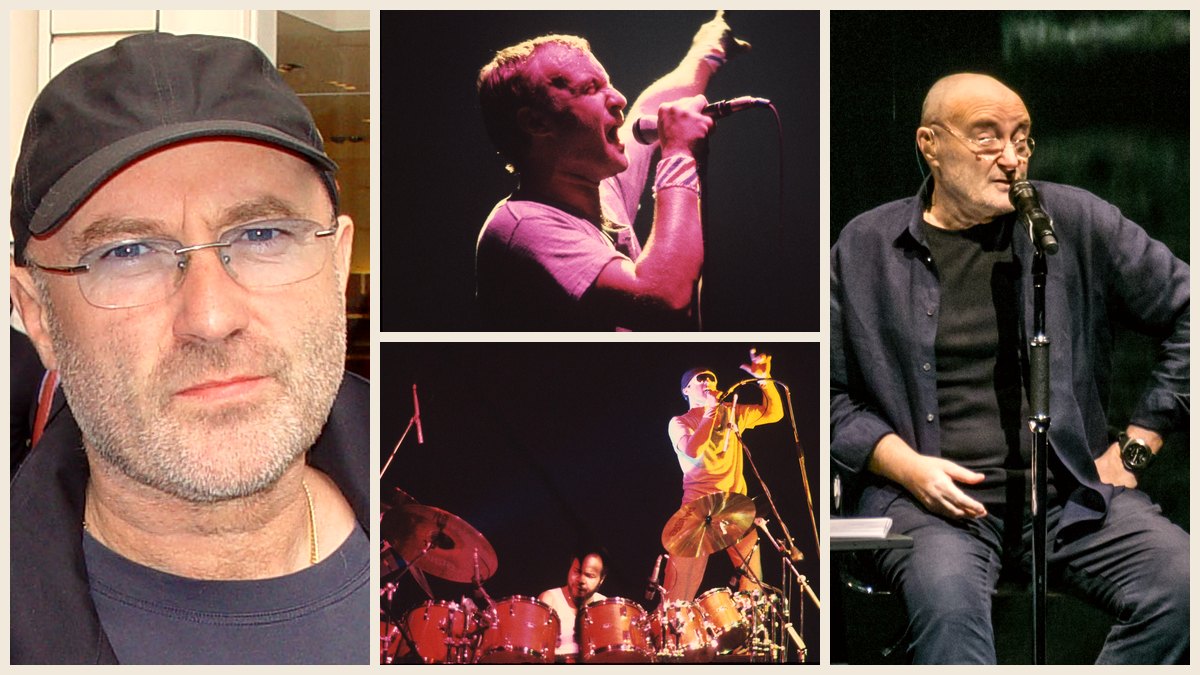

Some songs are hits. A few become something more: a lifeline people reach for after a breakup, an illness or a loss. Gloria Gaynor’s “I Will Survive” is one of those. And it almost didn’t get heard at all.
Polydor Records released it in October 1978, and October 23 is the date most often given for the single. The label had put it on the B-side. In this On This Day look back, we tell the story of how a song recorded in a rush, sung by a woman in a back brace, turned into one of the best-selling singles in history. The official video is waiting for you at the end.
▶️ Need a little courage first? Scroll down. The official video is at the end of the article.
A Songwriter Who Got Fired
“I Will Survive” began with a bad day. Dino Fekaris had spent seven years as a staff writer at Motown when he was let go in the mid-1970s. Back home, jobless, he switched on the TV and heard a theme song he had written. He took it as a sign, reportedly jumping up and down on the bed and declaring he would be a songwriter after all. He would survive.
Fekaris wrote the song with his longtime partner Freddie Perren, another Motown veteran who had worked on hits for the Jackson 5. For a while it sat on the shelf. Then, in 1978, Polydor asked Perren to produce a song called “Substitute” for Gloria Gaynor. He agreed, on one condition: he would also produce the B-side.
Gloria Gaynor Before “Survive”
Gloria Fowles was born in Newark, New Jersey, and grew up in a house where there was always music. She started singing in Newark nightclubs and spent years on the club circuit along the East Coast. Her big break came in 1975 with the album Never Can Say Goodbye. Its first side ran three songs together without a break into a 19-minute dance marathon, and it helped introduce disco to the wider public.
By 1978, though, the hits had slowed. She had also suffered a bad fall on stage, which led to back surgery, and she was coping with a recent bereavement. When she walked into the studio, she was wearing a back brace.
Thirty-Five Minutes
Guitarist Robert “Boogie” Bowles later recalled that the musicians spent most of their three-hour session on “Substitute,” leaving roughly 35 minutes for “I Will Survive.” They didn’t even know the title or melody, so working from the chord changes and a few notes, they improvised much of the backing track. Since everyone assumed the B-side would never be played, the mood was loose. It shows. The groove is relaxed and confident, and that piano introduction, slow and dramatic before the beat drops in, is one of the most recognizable openings in pop music.
Gaynor, meanwhile, heard herself in the lyrics. A woman picking herself up after heartbreak and finding her strength meant a lot to someone just back on her feet after surgery and grief.
How the Dance Floor Flipped the Record
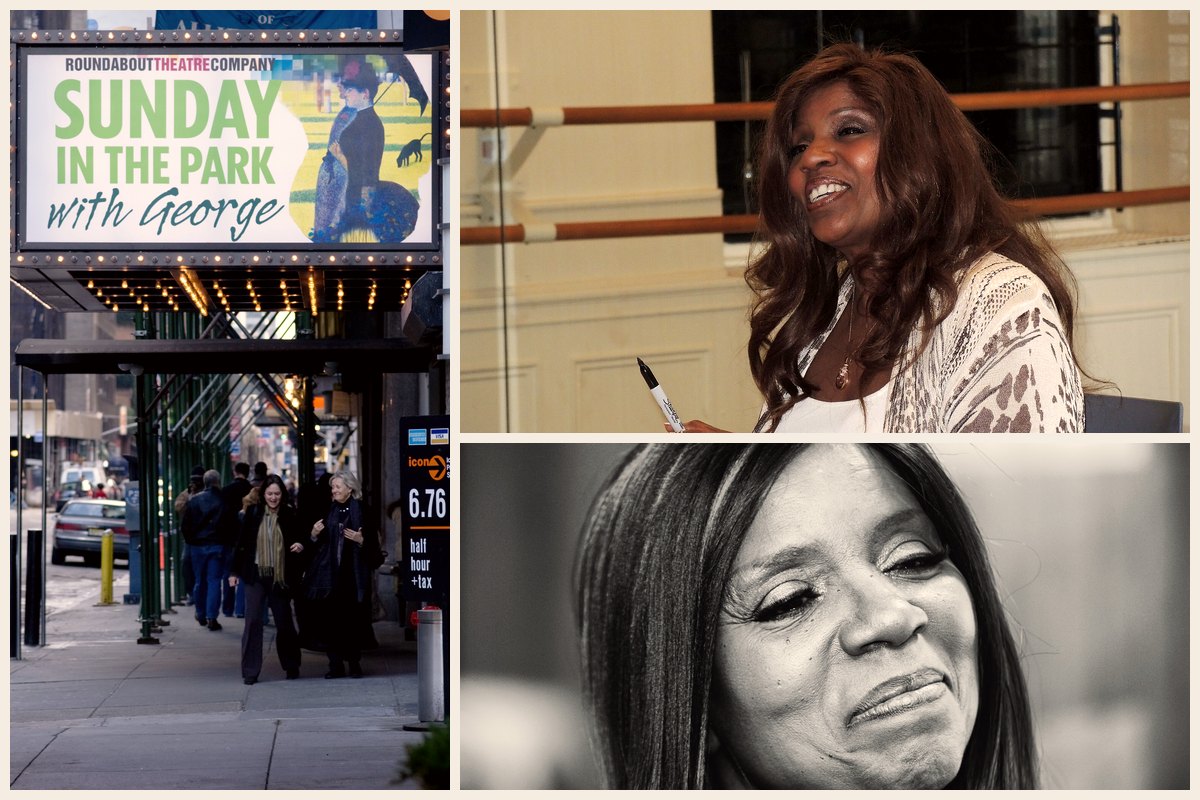
Gaynor was convinced the song was a hit, but the label wouldn’t make it the A-side. So Gaynor’s husband took a copy to Richie Kaczor, the DJ at Studio 54. Kaczor loved it, and soon it was filling dance floors. Club DJs played it, then radio stations started flipping the single over. “Substitute” faded quickly, while “I Will Survive” entered the Billboard Hot 100 in December 1978.
By March 1979 it was No. 1. It spent three non-consecutive weeks on top of the Hot 100 and also went to No. 1 in Britain and Ireland. At the Grammys in 1980, it won Best Disco Recording, the only year that award was ever handed out.
The Roller Skating Video
To support the single, a promotional video was filmed in 1979 at Xenon, a New York discotheque. It cuts between Gaynor singing and a roller skater, Sheila Reid-Pender of Harlem, from a group called the Village Wizards, gliding and spinning across the floor. Gaynor wasn’t there when the skating segment was taped, and the two women didn’t meet until July 2014, at a book event in New York. Three videos were filmed that day, and fittingly, this is the only one that survived. In 2022, it was remastered in HD and uploaded to Gaynor’s official channel.
An Anthem for Everyone
Over the decades, “I Will Survive” has been embraced by women leaving bad relationships, by the gay community, which took it up as an anthem of empowerment, and by sports fans. When France won the World Cup on home soil in 1998, the team’s fans had adopted it as an unofficial anthem. VH1 named it the greatest dance song of all time in 2000. It entered the Grammy Hall of Fame in 2012, and in 2016 the Library of Congress added it to the National Recording Registry. It has sold more than 15 million copies worldwide.
Gaynor herself kept going too. In 2020, forty years after her first Grammy, she won her second, for the gospel album Testimony. Some songs just keep their promise.
Listening Tips
- Hear it in context. Play the Love Tracks album (1978) to hear the song alongside the rest of Gaynor’s comeback record.
- Go back to 1975. Gaynor’s “Never Can Say Goodbye” shows the disco sound she helped introduce.
- Listen for the intro. That slow piano and Gaynor’s opening lines set up the whole story before the beat arrives.
- Keep dancing. Visit our Disco & Funk section, and read about James Brown’s “Get Up Offa That Thing” on The Midnight Special.
I Will Survive Quick Facts
| Artist | Gloria Gaynor |
| Writers | Freddie Perren and Dino Fekaris |
| Producer | Freddie Perren |
| Released | October 1978 (Polydor), originally the B-side of “Substitute”; October 23 is the most commonly cited date |
| Album | Love Tracks (1978) |
| Chart peak | No. 1 on the Billboard Hot 100 (three weeks, from March 1979); No. 1 UK |
| Sales | More than 15 million copies worldwide |
| Awards | Grammy for Best Disco Recording (1980); Grammy Hall of Fame (2012); National Recording Registry (2016) |
| Video | Filmed in 1979 at Xenon, New York, with roller skater Sheila Reid-Pender |
Sources
- “I Will Survive” on Wikipedia (with its cited sources)
- Gloria Gaynor on Wikipedia
- Gloria Gaynor official website
- Recording Academy: Grammy Hall of Fame
- Library of Congress: National Recording Registry
- GloriaGaynorVEVO: official video and description
Photo Credits
- Featured image: Gloria Gaynor in Amsterdam, 1976 by Rob Mieremet / Anefo, CC BY-SA 3.0, via Wikimedia Commons
- Featured image: A mirrored disco ball by Catboy69, CC0, via Wikimedia Commons
- Featured image: Gloria Gaynor at a film gala in Amsterdam, 1976 by Rob Mieremet / Anefo, CC0, via Wikimedia Commons
- Featured image: Gloria Gaynor in concert, summer 2012 by giorgioerriquez, CC BY 2.0, via Wikimedia Commons
- In-article image: The entrance of Studio 54, New York City, 2008 by David Goehring, CC BY 2.0, via Wikimedia Commons
- In-article image: Gloria Gaynor at the 92nd Street Y, New York, July 2014 by annulla, CC BY-SA 2.0, via Wikimedia Commons
- In-article image: Gloria Gaynor, 2012 by Thomas Rodenbücher, CC BY 2.0, via Wikimedia Commons